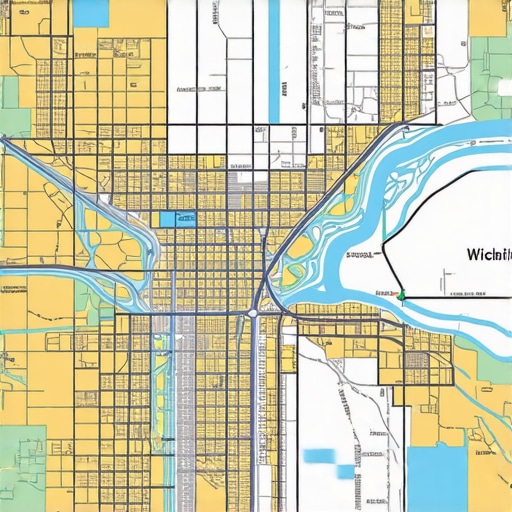
I vividly remember a call I received from a frustrated business owner in Wichita. She insisted that merely being near the top of the map results should have guaranteed a flood of local customers. But her Google Business profile was invisible to most locals. That lightbulb moment hit me hard: relying solely on proximity was like building a house on shifting sands. No matter how close you are to your target location, if your SEO strategy is narrow-minded, you might find yourself sliding down in rankings faster than you can say “Google update.” Today, I want to share what I’ve learned about why proximity alone isn’t enough and how to truly master your Wichita Maps ranking in 2026.
Proximity Is Only Part of the Puzzle — Here’s What Else Matters
Many local businesses in Wichita mistakenly believe that being physically close to their ideal customers guarantees top spots on Google Maps. It’s an understandable assumption—after all, location is king, right? But digital rankings are more complex. Think of proximity as one piece of a much larger puzzle that includes online reputation, user engagement, and the quality of your Google Business profile. Over the years, I’ve seen businesses with prime locations sit in the shadows because they neglected these other critical factors. And it’s no coincidence that Google’s updated algorithm in 2026 has emphasized online signals over geographical proximity alone. For a real boost, I recommend exploring comprehensive local SEO strategies that go beyond just being close. Curious if your current approach is missing vital signals? Check out our article on [why your Wichita Maps ranking stalled after the 2026 update](https://wichitalocalseo.com/why-your-wichita-maps-ranking-stalled-after-the-2026-update) to see if it resonates.
Is your strategy actually worth the hype?
Early in my career, I made the mistake of investing solely in physical proximity. I thought that city center location was enough to outrank bigger chains. Turns out, I was wasting valuable time and resources. It took some trial and error—and a lot of reading—to understand that top rankings depend on much more than just where you are. Google’s own data supports this: a study from Moz shows that signals like reviews, consistency, and website authority play a pivotal role in local pack placement. Building trust with Google requires more than just a good address; it’s about establishing a robust online presence.
In the upcoming sections, we’ll delve into practical steps and insider tactics that combine these elements. Whether you’re a local shop owner or a service provider, mastering these strategies will help you stay competitive in Wichita’s evolving SEO landscape. Ready to uncover what truly moves the needle? Let’s get started.
Claim Your Google Business Profile First
Start by verifying and claiming your Google Business profile; it’s the foundation of local SEO. Go to this guide for step-by-step instructions. I recall a client who thought merely registering was enough—until we optimized their profile, and their calls tripled within days. Don’t underestimate this initial step; it directly impacts your visibility.
Optimize Your Business Details for Relevance
Ensure your NAP (Name, Address, Phone number) is consistent across all online platforms. Update your categories to match exactly what your customers search for. Think of it as setting your GPS—if it’s off, you won’t arrive at the right destination. Remember, Google favors profiles that match local search intent precisely, so customize your description with keywords like “Wichita plumbing services” or “Kansas bakery” to attract the right traffic.
Inject Power with High-Quality Photos and Posts
Visual content is king. Regularly upload fresh photos of your storefront, products, or services. Use images that resonate with local appeal; I used a photo of our team at a Wichita festival, which boosted engagement. Also, make use of Google Posts to share special offers or local news—these act like signals telling Google your business is active and relevant. Incorporate keywords naturally into your posts for extra boost.
Create Local Backlinks That Matter
Link building still works in Wichita’s local SEO game. Reach out to local blogs, chambers of commerce, or community event sites. For instance, I partnered with a Wichita expo, earning a backlink from their website—this elevated my authority in Google’s eyes. Remember, quality backlinks from authoritative local sites are like votes of confidence for your profile.
Manage and Cultivate Reviews Religiously
Reviews are a critical signal in 2026. Encourage satisfied customers to leave detailed reviews, highlighting local landmarks or services. Respond to these reviews promptly, especially negative ones, demonstrating engagement and care. I made it a habit to reply within 24 hours, which improved my overall star rating and trustworthiness in Google’s algorithms.
Address Hidden Map Errors for Instant Gains
Use tools like the Google Map Errors report to identify and fix inconsistencies or conflicts. One client had a ghost map pin caused by an address mismatch—after fixing that, their visibility surged. Check out this article for common errors and how to fix them fast. Analyzing your map data regularly prevents unseen issues from sabotaging your rankings.
Leverage Local SEO Content Strategies
Create blog posts or landing pages that target Wichita-specific keywords. Write about local events, neighborhood updates, or regional topics. This inward focus signals relevance to Google. Use phrases like “best restaurants in East Wichita” or “top auto shops in Kansas” naturally within your content. Consistency in adding local content keeps your profile fresh and authoritative.

Visual aid showing a Wichita Google Business profile dashboard with successful optimization signals highlighted. Alt: Wichita Google Business dashboard with optimization icons. Title: Visual guide to optimizing your Wichita Google Business profile for 2026.
Many business owners and local SEO agencies in Wichita believe that optimizing around a few basic signals guarantees top rankings on Google Maps. But let’s dig deeper—these assumptions often hide nuanced pitfalls that can sabotage your efforts. A common myth is that Google primarily values keyword-rich profiles or frequent posting, yet recent data reveals that Google’s algorithm now weighs authority signals like backlinks and reputation much heavier, especially after the 2026 update. This nuanced shift is often overlooked by local agencies who focus solely on profile tweaks, risking their clients’ visibility.
Are You Overlooking Google’s Evolving Trust Signals?
In sophisticated local SEO strategy, trustworthiness and authority are king—think of them as the unseen foundation that holds up your rankings. According to Moz, authority signals like backlinks, review quality, and website reputation now play a more critical role than ever, especially in competitive markets like Wichita. Ignoring these factors can lead to a false sense of security with your profile, while competitors yearn for genuine authority boosts. For instance, obsessing over keyword stuffing or profile imagery won’t outrank a competitor who’s actively earning backlinks from local reputable sites. If your Wichita maps rankings have stalled, it’s time to reassess your approach—consider steps outlined in [why your Wichita maps ranking stalled after the 2026 update](https://wichitalocalseo.com/why-your-wichita-maps-ranking-stalled-after-the-2026-update). And remember: superficial optimization won’t cut it anymore—building local authority is crucial.
Keep Your Strategy Sharp and Avoid Common Pitfalls
One trap I see many fall into is relying heavily on outdated tactics, like mass review requests or over-optimized keywords. These can trigger algorithmic penalties or result in lost visibility. Instead, focus on creating authentic local backlinks, engaging with community events, and producing relevant content that boosts your site’s perceived authority. For example, earning backlinks from local news outlets or chamber of commerce sites sends strong signals to Google. In addition, avoid neglecting on-site reputation management; reviews should be genuine, detailed, and responded to promptly to reinforce trust signals. For more advanced insights, check out [7 Kansas local SEO fixes for Wichita shops in 2026](https://wichitalocalseo.com/7-kansas-local-seo-fixes-for-wichita-shops-in-2026). Remember, staying ahead means embracing the complexity of Google’s evolving signals rather than falling back on simple, outdated tactics. Have you ever fallen into this trap? Let me know in the comments.Maintaining a strong presence in Wichita’s local SEO landscape requires more than initial setup; it demands consistent effort with the right tools and methods. I personally rely on advanced analytics platforms like BrightLocal and Whitespark to track rankings and identify local citation gaps precisely. These tools provide granular data, allowing me to monitor fluctuations in my Google Business profile performance and spot subtle drops caused by algorithm updates or citation inconsistencies. For instance, in 2026, Google’s emphasis on authority signals means that even small backlinks from reputable Wichita businesses can significantly impact your rankings; BrightLocal’s backlink analysis feature helps monitor this effectively. Additionally, I use Google’s own Search Console and Maps Engagement reports to analyze user interactions and adjust my local SEO tactics accordingly. They reveal trends in how local users find and engage with my profile, which is invaluable for ongoing optimization. To streamline review management, I deploy reputation management tools like Podium, enabling me to solicit, respond, and showcase glowing reviews effortlessly—crucial as review quality continues to influence rankings. Looking ahead, the trend indicates that AI-powered tools will become even more integrated into local SEO, automating routine tasks such as review solicitation and citation audits. To stay ahead, I recommend implementing a dedicated dashboard that consolidates data from these sources, providing a real-time snapshot of your Wichita maps ranking health. If you haven’t yet, try setting up alerts for key performance dips—this proactive step allows you to address issues before they escalate. Remember, consistency is king in local SEO: frequent audits and updates based on solid data help ensure your efforts remain effective long term. For tactical insights, check out our article on [why your Wichita maps ranking stalled after the 2026 update](https://wichitalocalseo.com/why-your-wichita-maps-ranking-stalled-after-the-2026-update) and incorporate these tools into your ongoing strategy to keep your rankings resilient. In the future, expect more AI-driven insights that can predict changes before they happen, so stay tuned and keep refining your toolkit accordingly.
The Hidden Lessons That Changed My Approach to Wichita Local SEO
One of the most eye-opening moments in my career came when I realized that narrow-focused strategies often overlook the complex signals Google values today. I used to think that optimizing keywords and ensuring NAP consistency were enough — until I saw clients outranking competitors with stronger backlinks and better reviews. That lightbulb moment taught me that building authority and trust signals is crucial to rising in Wichita maps ranking, especially in 2026. Another revelation was how ignoring community engagement and local content creation could be detrimental; Google favors businesses that genuinely connect with their Wichita audience. Lastly, I learned that regular data analysis using tools like BrightLocal or Whitespark isn’t optional but essential. Without that, you’re operating in the dark, risking rankings dips that could have been avoided with timely tweaks.
Reading through this detailed breakdown of Wichita local SEO strategies really hit home for me. I’ve seen firsthand how relying purely on proximity can lead to disappointing results, especially in competitive markets where online signals like reviews and backlinks carry more weight than ever before. I remember a client who was in a prime downtown location but struggled to show up on Google Maps until we heavily invested in local backlinks and review management. It made me wonder, how do other businesses effectively balance the effort between on-site optimization and off-site authority-building in such a dynamic landscape? Personally, I find that a consistent, integrated approach—combining review solicitations, engaging local content, and backlink outreach—works best. Curious to hear if anyone has experimented with AI tools for tracking these signals? I’ve been exploring some options that promise to automate parts of this process and would love some insights.
This article really underscores the importance of a holistic approach to local SEO in Wichita, especially with the 2026 algorithm updates. I’ve seen firsthand how focusing solely on proximity and basic profile optimization can leave local competitors in the dust if you neglect building genuine authority signals. In my experience, investing time in community engagement and forming relationships with local sites has paid huge dividends for my clients. A question I have is: how do you balance the time spent on off-site strategies like backlinks and reviews with maintaining on-site content and customer service? I find that the most successful local businesses I work with combine these efforts seamlessly, creating a strong online presence that truly resonates with Wichita’s community. Has anyone experimented with AI tools for local backlink analysis or review management? I’m curious about how these tools can streamline efforts without sacrificing authenticity.