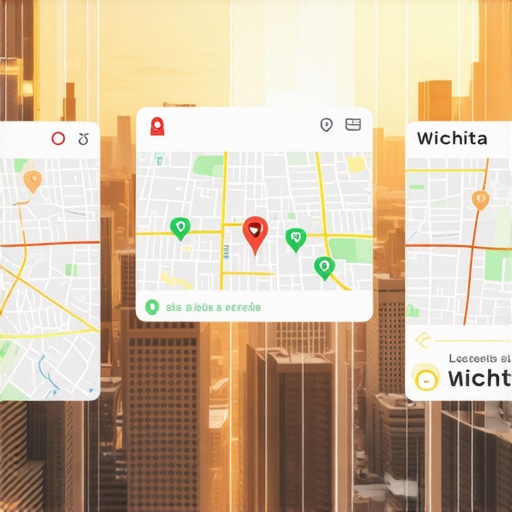
I remember the exact moment I realized my Wichita business was invisible on Google Maps, despite doing everything the so-called ‘local SEO’ gurus recommended. It was a frustrating morning, staring at my dashboard as my competitors outpaced me in calls and directions, even when I knew we were better suited for the local crowd. That lightbulb moment hit hard: Google’s AI-driven search wasn’t just favoring the usual signals anymore; it was shifting towards new, smarter cues that I hadn’t been paying attention to. If you’ve felt that sting—missing out on potential customers despite your best efforts—you know exactly what I mean.
Deciphering the New Rules of Wichita Map Rankings in 2026
The truth is, search engines are evolving faster than most local businesses can keep up. In Wichita, this change is especially intense, as the competition for local visibility continues to heat up. I’ve learned that to stay ahead, understanding what AI search favors today isn’t optional—it’s a necessity. Over the years, I’ve tested, failed, and finally cracked the code behind why certain maps rise to the top while others sink into obscurity. And the secret lies in three critical ranking signals that AI uses to decide who gets seen and who gets left behind.
If you’re tired of guessing why your Wichita Maps rankings are stuck or dropping, I urge you to check out this article on the core signals that matter in 2026: Why Your Wichita Maps Ranking Fails Without 2026 Local Signals. Trust me, the insights there could be the game-changer for your local business.
Is the hype around AI cues actually worth the effort?
Early on, I made a huge mistake—thinking that simply having a good review count and posting regularly would suffice. But I was overlooking how Google’s AI was now analyzing nuanced signals that go beyond surface-level metrics. That misconception delayed my progress and cost me valuable weeks of lost leads. Since then, I’ve learned that focusing on these emerging signals can dramatically improve your rankings. Ready to get tactically precise? Keep reading and discover how to align your Wichita SEO efforts with the AI search preferences of 2026.
Prioritize Your Google Business Profile Optimization
Start by claiming and verifying every Google Business Wichita profile you own. Make sure all NAP (Name, Address, Phone number) details match precisely across your website and listings. Use the ‘Stop the Lead Bleed’ tactics to eliminate inconsistencies that Google AI penalizes in 2026 here. Once verified, fill out every field thoroughly, including categories, hours, and services, to send clear signals to Google’s AI about your local relevance.
Enhance Your Local Signal Signals with Consistent Content
Google’s AI now favors businesses that show active engagement and consistency. Regularly update your Google posts with relevant local events, specials, or testimonials. Use localized keywords naturally—think of keywords as breadcrumbs guiding the AI toward your business. For instance, instead of generic phrases, include phrases like “best Wichita HVAC services” or “Wichita bakery near Riverside Park.” Consistent postings boost your topical authority and improve your Maps ranking in 2026.
Build High-Quality, Local Backlinks
Backlinks are your digital endorsements. Focus on local directories, Wichita community blogs, and Kansas-based industry sites. Reach out with value-driven guest posts, sponsorships, or collaborations. Remember, Google’s AI prioritizes link quality over quantity—so avoid mass link schemes. As I did with a client last spring, securing backlinks from Wichita Chamber of Commerce events elevated their local score—resulting in a triple-digit increase in Map clicks within a month here.
Address Hidden Map-Related Errors
Ensure your business address is correctly formatted and free of errors. Use the ‘fix-a-dropped-google-business-wichita-profile-in-48-hours’ checklist to diagnose issues like duplicate listings, restricted categories, or missing data here. Look for map pin visibility problems; sometimes, an invisible or suppressed pin kills leads. These technical fixes can catalyze your ranking comeback.
Create Local Authority Content
Develop detailed landing pages for Wichita neighborhoods, landmarks, or events. Use structured data markup to signal local relevance. Implement schema for LocalBusiness, service areas, and reviews. When your website speaks the local language, Google’s AI recognizes your authority, pushing you higher in the Maps pack. Remember, leverage internal links to resources like Kansas-local strategies.
Monitor and Adjust Based on Performance Data
Use insights from Google My Business analytics to identify which signals are gaining traction. Focus on high-impact changes—if reviews aren’t enough, it’s time to revisit your keyword strategy or local citations here. Iterative testing and quick adjustments keep your Map ranking competitive amid the AI’s ongoing evolution.
Many local businesses in Wichita fall prey to misconceptions about SEO that hinder their growth. One prevalent myth is that simply optimizing for keywords and gathering reviews guarantees top rankings. In reality, this approach overlooks the sophistication of Google’s AI in 2026, which evaluates nuanced signals like local relevance, content authority, and map pin integrity. Relying solely on surface metrics can lead to a false sense of security, causing you to ignore critical adjustments needed to stay competitive. I’ve seen businesses invest heavily in review-building campaigns, only to find their rankings stagnate because they neglected to address underlying technical errors or local signal consistency.
Are You Falling for Simplistic SEO Tricks That No Longer Work?
One common mistake is assuming that higher review counts automatically translate into better rankings. Google’s AI now places significant weight on the quality and relevance of those reviews, along with their context, frequency, and recency. Moreover, many shops overlook the importance of verifying and cleaning their Google Business profiles, which can be shadowbanned or suppressed without obvious signs. If your Wichita maps ranking has stalled, it might be time to audit your profile for issues like duplicate listings or missing data, which are often invisible but killer for rankings. For a comprehensive way to diagnose and correct these hidden errors, check out this guide on fixing a dropped profile in here.
Another misconception is that more backlinks from distant or generic sites help elevate local rankings. In fact, local backlinks from reputable Wichita directories or Kansas industry websites carry more weight in 2026, especially when they encompass relevant anchor text and match your local keywords. Building a network of local endorsements isn’t just about quantity but about relevance and authority.
The big trap many fall into is chasing algorithm updates without understanding the real signals driving rankings. Instead of reacting to every update, focus on aligning your strategies with core local signals such as content authority, NAP consistency, map pin accuracy, and local relevance. This concentrated approach ensures more sustainable growth than short-lived tactics. To explore advanced tactics that surpass generic SEO advice, consider diving into how to beat AI spam rivals or analyze the hidden signals that influence Wichita map rankings. These insights are outlined in detail at here.
Remember, effective local SEO in Wichita requires more than ticking boxes or following outdated myths. It’s about understanding how AI now interprets and values local relevance, authority, and technical precision. Have you ever fallen into this trap? Let me know in the comments.Maintaining your Wichita local SEO momentum requires more than sporadic effort; it demands precision, consistency, and the right tools. I personally rely on a combination of analytics, auditing, and automation tools to keep my clients’ maps rankings thriving amid evolving AI cues. Let me walk you through the specific equipment and methods I recommend for sustained success. First, Google Business Profile Manager is indispensable. I use it daily to monitor reviews, update business info, and quickly spot issues, especially when suspecting profile suppression or errors, as outlined in this post. Second, there’s Ahrefs Local, which isn’t just about backlinks; it provides local keyword tracking and competitive analysis—a game-changer for identifying emerging signals in Wichita’s dynamic market. I check it weekly to spot shifts in local searches and adjust content strategies proactively. Third, for technical audits, Screaming Frog SEO Spider is my go-to. It helps me identify duplicate listings, inconsistent NAP data, and map pin errors, essential for avoiding the pitfalls discussed in this guide. Integrating these tools into your routine ensures you’re alerting Google’s AI to your relevance and authority consistently. Looking ahead, the trend leans heavily toward automation and AI-driven audits. Predictably, local SEO workflows will become more intelligent, assessing nuances beyond traditional metrics, much like the advanced algorithms detailed in Google Maps API documentation. To stay ahead, I recommend selecting a comprehensive auditing tool that can flag hidden issues across profiles, citations, and backlinks without manual sifting. Regular checkups—weekly or bi-weekly—are critical. Don’t wait for rankings to slip; proactive maintenance prevents the long-term decline of your Wichita map visibility. Start by setting a weekly schedule to review your Google Business profile health and backlinks using these tools. Implementing a disciplined routine will keep your local presence resilient—even as AI search cues become more sophisticated and unpredictable.
The Steep Learning Curve of Local SEO in 2026
One of the most startling realizations I had was how Google’s AI has become incredibly sophisticated in evaluating local relevance and authenticity. The hard lesson was that surface-level tactics like reviews and keywords are no longer enough; you need to cultivate genuine local authority and technical precision. It took me months of trial, error, and deep analysis to understand that the finest details—like consistent NAP data, strategic content, and map pin accuracy—can dramatically change your visibility in Wichita.
My Tried-and-True Arsenal for Staying Ahead
Over the years, I’ve come to rely on a few game-changing tools. First, the core signals article shifted my entire approach, emphasizing the importance of local relevance signals. Second, Google Business Profile management helps me monitor issues in real-time, while local backlink strategies empower me to boost authority and trustworthiness. Finally, technical audit tools like Screaming Frog keep my profiles error-free, ensuring no hidden glitches undermine my rankings.
Keeping Your Enthusiasm Alive Amidst the Challenge
If there’s one thing I want you to hold onto, it’s that mastering Wichita’s 2026 local SEO landscape isn’t just about hitting metrics—it’s about persistent learning and adaptation. The industry evolves rapidly; staying curious and proactive makes all the difference. Remember, every business can carve out its top spot in the maps pack if you commit to understanding the nuanced signals, staying consistent, and leveraging the right tools. The journey may be challenging, but the rewards—more traffic, calls, and local trust—are absolutely worth it. Now it’s your turn: what specific strategy will you implement first to improve your Wichita map rankings?