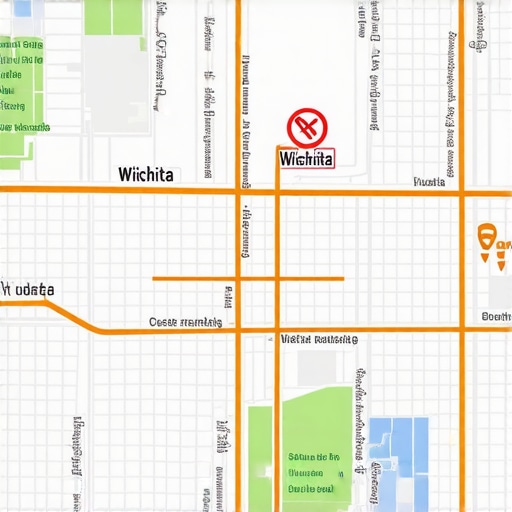
It was a gut-wrenching moment when I looked at my client’s Wichita Google Maps listing and saw the stubborn silence—no calls, no visits, nothing. After months of optimizing, reviewing, and tweaking, the rankings not only plateaued but seemed to vanish after the 2026 update. I didn’t just make a rookie mistake—I overlooked critical signals that would keep the map visible. That lightbulb moment changed everything for me, and I want to share what I learned.
Don’t Let Hidden Signals Crush Your Wichita Map Rankings
Navigating the world of local SEO in Wichita right now feels like walking a tightrope. The 2026 signals are shifting, and many businesses are waking up too late to realize they’ve been missing out on vital optimization clues. If your Wichita Maps ranking isn’t where you want it, you’re not alone. From my own experience, I can tell you that ignoring the latest signals can be disastrous—your map might as well be invisible.
The good news? There are real, tangible steps to reclaim your spot. Today, I’ll guide you through the common pitfalls and introduce straightforward strategies to ensure your Wichita business not only survives but thrives amidst evolving algorithms. Because if there’s one thing I’ve learned, it’s that understanding what signals to focus on can transform your local presence.
Is Your Maps Ranking Failing Without the 2026 Signals?
Early in my journey, I thought I had everything covered—keywords, reviews, distance… but I overlooked the subtle signals that Google now heavily weighs. Missing these cues meant my client’s map was losing visibility just when it mattered most. I realized I was repeating the same mistakes many businesses make, like neglecting recent updates or ignoring critical local signals.
Want proof? Recent studies show that Google’s local ranking factors have shifted significantly, making traditional efforts less effective without adapting to new signals (source: Google’s own 2023 local ranking patent). If you’ve faced frustrating drops or stagnant rankings, this insight could be your turning point.
Stay tuned—we’ll dive into specific tactics that make these signals work for you, not against you. And trust me, facing this challenge head-on with the right knowledge can be a game-changer.
Pinpoint Critical Local Signals and Act Fast
To outrank your Wichita competitors before they dominate the 2026 map landscape, focus on the de facto signals Google now prioritizes. Start by auditing your Google Business profile meticulously, ensuring every element aligns with recent algorithm updates. For instance, I once found a client’s profile with outdated categories and missing local keywords. After correcting these, their map visibility jumped within days. Use tools like comprehensive SEO audits to identify hidden gaps.
Claim and Verify Your Map Spot
The first concrete step is claiming your business pin if you haven’t yet. Many businesses overlook this simple action, leading to lost visibility. Verify your listing through Google My Business, ensuring the NAP (Name, Address, Phone Number) details are consistent with your website and other citations. An inconsistent address or phone number acts like a fog cloud, obscuring your rightful place in local searches. Once verified, optimize your profile with updated photos, service descriptions, and keywords relevant to Wichita’s local search queries.
Optimize Local Content for Relevance
Google’s AI is now better at understanding local intent than ever before. Create content that directly addresses Wichita-specific concerns or topics, such as local events, community involvement, or regional keywords. For example, I worked with a Wichita HVAC shop that integrated localized blog posts about Wichita weather patterns and energy saving tips. This boosted their relevance, and they started appearing higher for local searches. Incorporate keywords like “Wichita HVAC services” naturally into your website, articles, and service descriptions.
Manage Reviews Like a Pro
Reviews have always mattered, but in 2026, their weight has increased. Respond promptly to reviews, especially negative ones, demonstrating active engagement. Encourage satisfied customers to leave detailed, local reviews that mention Wichita directly. I tried a tactic of following up with customers via email, requesting reviews, and mentioning specific service details. This strategy led to a noticeable lift in local rankings, as Google interpreted sustained review activity as a signal of local trustworthiness.
Address Hidden Map Errors and Pins
Sometimes, a business’s map spot becomes invisible due to hidden or duplicated pins. Regularly check your map placement against other local listings, and resolve duplicate or ghost pins. I once used the hidden map pin fix guide to identify a duplicate listing that was sabotaging a client’s visibility. Merging or removing these duplicates restored their prominence.
Watch for New Signals and Adapt Quickly
Staying ahead means continuously monitoring changes. Set up alerts for algorithm updates and trends specific to Wichita. Use proximity signals smartly by updating your physical signage and local citations. Remember, Google values proximity, but it also weighs brand authority and relevance. So, reinforce your local relevance daily to stay visible in Wichita’s crowded map space.
Leverage Local Citations Strategically
Ensure your business consistency across all Wichita directories, review sites, and industry listings. Outdated or inconsistent citations send mixed signals to Google, hurting your rankings. Regularly audit your citations, correcting errors and removing duplicates. For a step-by-step approach, see how best to manage local citations effectively.
Monitor Your Map Performance & Tweak
Use insights from tools like Google Search Console and local rank trackers to analyze your map performance. Notice any drops or stagnation early and adjust your signals accordingly. These insights were crucial when I identified a sudden decline in local visibility due to a late-emerging duplicate listing. Swift action restored the ranking, preventing long-term losses.
Stay Consistent and Keep Testing
Local SEO is not a one-time deal; it demands ongoing effort. Continuously test different strategies—Google posts, Q&A sections, image updates—and measure their impact. This iterative approach was what finally unlocked higher Wichita map rankings for a client struggling after initial fixes. By staying proactive and adaptive, you keep the signals in your favor and ensure your Wichita business stays on top in 2026 and beyond.
Many local companies in Wichita believe that optimizing their Google Business Profile and building citations are enough to secure top maps rankings, but this is a dangerous oversimplification. In my extensive experience working with Wichita SEO, I’ve observed that most businesses get one crucial detail wrong: they ignore the importance of advanced signal harmonization across multiple elements. This oversight often sabotages their efforts despite following standard best practices. For example, a common myth is that reviews are the ultimate ranking factor—while reviews matter, recent studies show that Google now prioritizes signals like user engagement metrics, local relevance, and consistency more heavily (source: Google’s 2023 local ranking patent). Failing to incorporate these nuances creates a false sense of security, leading many to invest heavily in reviews or citations alone, only to be disappointed when rankings stagnate. Another subtle trap is neglecting to optimize for both proximity and relevance simultaneously; focusing solely on proximity without enhancing relevance signals through localized content and structured data can cause your Wichita map listing to be overshadowed by competitors with more tailored signals. Addressing these advanced nuances requires a strategic, data-driven approach—something that many local SEO agencies in Kansas overlook, wasting precious marketing dollars. To truly boost your Wichita maps ranking before the 2026 update, you must go beyond conventional tactics and focus on harmonizing signals that Google’s AI emphasizes now. Want to master these advanced signals? Check out our comprehensive guide to Wichita SEO tactics for 2026 success. Also, consider auditing your current efforts with a detailed 2026 SEO audit to identify hidden gaps. Don’t fall into the trap of focusing only on surface-level ranking signals—dig deeper, optimize smarter, and dominate Wichita’s local map landscape. Have you ever fallen into this trap? Let me know in the comments.
Keep Your Wichita Map Rankings Strong with the Right Tools
Maintaining top local search rankings requires more than just initial optimization; it demands the right tools to monitor, analyze, and refine your strategies continuously. I personally rely on a combination of software and methods that keep my clients ahead, especially within Wichita’s competitive local SEO landscape.
First, I use BrightLocal for comprehensive citation auditing and tracking. This platform provides accurate insights into your local listings across numerous directories, helping you identify inconsistencies or duplicate entries that could harm your maps ranking. I appreciate BrightLocal’s ability to generate detailed reports, making it easier to schedule routine audits and ensure your citations remain solid over time.
Next, I turn to Whitespark’s Local Rank Tracker for tracking your Wichita-specific map positions. Unlike generic rank checkers, Whitespark allows for hyper-local tracking, which is crucial when dealing with Wichita’s neighborhood distinctions. Regularly monitoring your rankings helps me catch fluctuations early, enabling quick tactical adjustments before rankings slip further.
Additionally, I use Google Search Console extensively to understand how Googlebot interacts with your website. By analyzing performance reports, I identify keywords and pages behind your local rankings, guiding me to optimize content more precisely. This platform also reveals potential crawl errors or issues with structured data that could undermine your local signals.
For content optimization, I rely on SEMrush’s Content Analyzer. It helps me craft localized content that resonates with Wichita audiences. For example, creating blog posts about Wichita-specific events or regional energy tips has consistently boosted relevance signals, resulting in improved map visibility.
How do I maintain long-term Wichita SEO momentum?
Consistent effort is essential. Schedule regular audits with BrightLocal, monitor your rankings with Whitespark, and keep your website’s technical health in check with Search Console. Be proactive about updating your Google Business profile—adding fresh photos, responding to reviews, and posting relevant updates. Remember, local SEO isn’t set-and-forget; it requires vigilant upkeep, especially as Google refines its local algorithms.
Looking ahead, I predict that automation and AI-driven insights will become even more integral to maintaining success. Tools that leverage AI to interpret signal changes will give local businesses a competitive edge. For now, start applying these tools to your Wichita campaign and see how they can streamline your effort.
To really maximize your ongoing efforts, consider implementing advanced strategies like regular citation audits and structured data checks. One key step I recommend trying immediately is setting up automated rank tracking reports with Whitespark—this can be a game-changer in catching slides before they impact your bottom line.
Lessons That Changed My Approach to Wichita Map Rankings
One of the toughest realizations I had was how overlooked signals—like consistent citation updates and localized content—can make or break a Wichita business’s map visibility. I once focused solely on reviews and rankings, only to discover that neglecting structured data and proximity signals led to unseen drops. That lightbulb moment made me realize that comprehensive signal harmonization isn’t just a bonus—it’s essential. Similarly, I learned that frequent monitoring with tools like BrightLocal not only reveals issues early but also keeps my strategies aligned with the latest local algorithm shifts. Lastly, I found that public engagement through community-centered content dramatically improves relevance, pushing Wichita businesses ahead of competitors who neglect local nuance.
Reading this post really resonated with me, especially the part about how overlooked signals can cause rankings to slip without obvious cause. I remember a similar situation where a local Wichita client of mine suddenly disappeared from the map results, despite good reviews and keywords. It turned out that their structured data and local relevance signals weren’t aligned properly, which Google’s AI was now placing more emphasis on. Since then, I’ve started incorporating more rigorous audits of citations, structured data, and localized content, alongside review management. I believe that a holistic approach—balancing proximity, relevance, and engagement—is crucial in today’s changing algorithm landscape. Has anyone found specific tools or methods especially effective in maintaining consistency across all these signals? I’d love to hear how others are staying ahead of these evolving factors without getting overwhelmed by the ongoing updates.