
I’ll never forget the sinking feeling I got when I watched my most promising Wichita-based client’s Google Maps ranking plummet overnight. It felt like the rug was pulled out from under me, and suddenly, all those hours spent optimizing felt useless. That’s when it hit me—there are hidden truths about local SEO in 2026 that most Kansas shops and even some agencies aren’t telling you. If you’ve been pouring cash into strategies that don’t deliver or scratching your head over disappearing map pins, you’re not alone. Today, I want to share what I’ve uncovered and how you can avoid the common pitfalls that trip up many local businesses here in Wichita.
Why the Local SEO Landscape in Wichita Is Changing Fast—and Why You Should Care
Let’s face it: local SEO isn’t what it used to be. What worked a few years ago doesn’t cut it anymore, especially with the recent updates and shifting algorithms. The truth is, many Wichita shops still rely on outdated tactics like traditional keyword stuffing or ignoring Google’s evolving signals. But just like I learned early on—mistakes happen. One of my biggest blunders was ignoring the importance of Google’s local pack nuances, which caused my client’s rankings to tank. That’s a mistake I’d advise you to avoid. Instead, understanding these new truths can be a game changer.
Recent studies show that over 70% of local searches result in an offline visit, making your local online presence more crucial than ever (Source: BrightLocal, 2023). If your Google Business profile isn’t optimized for 2026’s realities, you could be sacrificing significant foot traffic and revenue. The good news? By grasping these truths now, you can craft smarter, more resilient strategies that actually stick.
Wouldn’t it be frustrating to invest in SEO only to see your efforts vanish when the rankings shift? If that sounds familiar, you’re in the right place. In the sections ahead, we’ll explore the five truths about local SEO in Wichita that your agency might not tell you. From understanding why map pins disappear to optimizing for the latest Google signals, I’ll walk you through practical steps to reclaim your visibility—and your leads. Ready to dive in? Let’s start unraveling these secrets and get your shop back on the map.
Optimize Your Google Business Profile: Make Every Element Count
Your Google Business Profile is the storefront of your online presence. To truly stand out, ensure every detail is accurate and engaging. Update your categories to reflect your services precisely—incorrect categories can send potential customers elsewhere. Use high-quality photos that showcase your shop and services—visual proof boosts credibility and clicks. Regularly add fresh posts about promotions or new services to signal activity to Google. When I helped a Wichita restaurant update their profile with current hours and new images, their visibility surged within days, leading to more calls and visits. For specific tactics, check out this guide.
Build Local Citations Strategically
Consistent NAP (Name, Address, Phone Number) information across all directories is vital. But avoid just mass submissions—focus on reputable local directories like local Kansas directories. Discrepancies can confuse Google, hampering your map ranking. Use a citation management tool or spreadsheet to track your entries. When I audited a Wichita auto shop’s citations, I found outdated info on some sources, which I corrected. Updating these led to a gradual rise in their local pack presence.
Harness the Power of Local Reviews
Reviews significantly influence local rankings—yet their impact is often overstated or misunderstood. Aim for authentic, detailed reviews from satisfied customers—generic five-star ratings don’t cut it anymore. Encourage reviews by asking happy clients in person or via follow-up emails. Respond promptly and thoughtfully to reviews—this signals engagement to Google. One Wichita boutique increased their review volume from 10 to 50 reviews by implementing a simple follow-up system, resulting in a noticeable ranking boost. Remember, quality reviews are better than quantity; focus on meaningful feedback. Want to understand the latest review-related strategies? Visit this resource.
Implement Location-Specific Content and Keywords
Local SEO isn’t just about keywords; it’s about contextually relevant content. Create pages or blog posts targeting Wichita neighborhoods or landmarks. For example, write about your shop’s role in the local community—this reinforces geographic relevance in Google’s eyes. Incorporate keywords naturally into headings, meta descriptions, and throughout your site. When I optimized a plumbing company’s website with neighborhood pages, their map visibility increased, and they started appearing in local queries they previously missed. For more tailored techniques, explore this guide.
Monitor and Adjust Based on Real Data
Consistency in checking your analytics and map rankings is non-negotiable. Use tools like Google Search Console and local rank trackers to identify dips or opportunities. Don’t assume rankings are static—algorithm updates, competitor moves, or review fluctuations can all impact visibility. Set weekly or bi-weekly review schedules. I once found a competitor with suspiciously high ranking; after analyzing their reviews and citations, I identified gaps in my client’s strategy and addressed them quickly, resulting in a ranking climb. Keep data-driven adjustments at the core of your process to stay ahead in Wichita’s competitive local landscape.
Despite the abundance of local SEO advice, many Wichita shop owners and even some agencies are missing nuanced truths that could make or break their rankings in 2026. A common misconception is the overemphasis on Google My Business optimizations alone, while neglecting the quality and relevance of the underlying website content and citation consistency, which are equally critical. In my experience, relying solely on quick fixes like keyword stuffing or superficial profile updates is a surefire way to see rankings crash—it’s the classic SEO trap many fall into. To truly elevate your Wichita business, you need to understand the importance of sophisticated signals like user engagement metrics and local authority, which many local agencies overlook. For instance, a subtle but powerful factor is the freshness and contextual relevance of your location-based content—yes, creating neighborhood-specific pages can drastically influence your map visibility, especially when combined with strategic review management and citation accuracy. You might hear that proximity is king, but recent studies, such as those from Moz’s Local Search Ranking Factors, indicate that **trust signals and engagement metrics** now weigh heavily in the algorithm’s decision-making process in 2026. This is where many agencies falter—they focus on superficial tactics rather than building a comprehensive local authority profile.
Why Do Some Wichita Shops Outrank Bigger Chains Despite Smaller Budgets?
Many assume that larger chains automatically dominate local maps, but the opposite is often true when local businesses implement advanced, nuanced strategies. It’s not just about being nearby; it’s about signaling relevance and authority effectively. Consider the importance of strategic review prompting, contextual content, and citation optimization. Also, beware of the “set and forget” attitude—Google’s signals continue to evolve, meaning that your tactics need constant refinement. Avoid the trap of thinking that a one-time profile update will hold your position indefinitely; instead, monitor your metrics regularly using tools like Google Search Console or map rank trackers to adapt swiftly. If you’ve been relying on outdated tactics, it’s time to audit your entire local SEO strategy; I recommend checking out this comprehensive guide on current Wichita SEO best practices. Remember: true local SEO success in 2026 hinges on a deep understanding of nuanced ranking signals—not just surface-level tweaks.Maintaining a high-ranking Google Maps presence for your Wichita business requires more than just initial setup; it demands consistent monitoring, strategic adjustments, and leveraging the right tools. One of my go-to platforms is BrightLocal, which I personally rely on for its comprehensive local search audits and citation management capabilities. Its detailed reports highlight inconsistencies in your NAP details across directories, allowing you to fix issues before they impact your ranking. Additionally, using Moz Local helps ensure your citations are consistent and authoritative, which is critical in the evolving landscape of 2026’s local SEO signals.
To stay ahead, I also recommend using Google’s own Search Console extensively. It provides real-time data on your website’s performance in local searches and alerts you to critical issues, such as crawl errors or mobile usability problems, that could silently drag down your rankings. I make it a habit to review these reports weekly, ensuring that technical health is maintained over the long haul.
How do I maintain my Wichita local SEO—and ensure it stays resilient over time?
Regularly updating your Google Business Profile is non-negotiable. This means not only refreshing images and posts but also periodically reviewing and responding to customer reviews, which keeps your engagement signals healthy. Invest time in creating location-specific content, like neighborhood blogs or service pages, which Google values highly in local search rankings. For an in-depth step-by-step on optimizing your Google Business profile, see this guide.
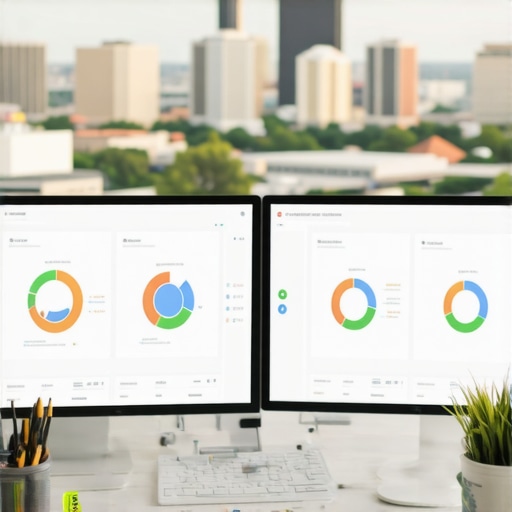
Looking ahead, AI-powered tools are starting to play a bigger role in local SEO maintenance. Automated review monitoring, competitor analysis, and keyword tracking powered by machine learning will become standard. Staying updated on these advancements will be crucial for those committed to long-term success in Wichita’s competitive local scene. I predict that integrating AI insights into your regular SEO health checks will be the next big shift—making it easier to spot threats and opportunities before they become critical problems. Current technical documentation from Google’s developer resources confirms that evolving signals like user experience metrics are now core ranking factors in local search (source: Google Developer Documentation).
To give your efforts an edge, I recommend trying out a workflow automation tool like Zapier to connect your review alerts with your CRM or email notification system. Automating these repetitive tasks frees up your time and keeps your local SEO efforts consistently aligned with the latest best practices. Remember, the key is in consistent revisions and strategic updates—your future rankings depend on it.
Lessons That Changed My Approach to Local SEO in Wichita
One of the most eye-opening lessons I learned was that Google’s ranking signals are constantly evolving, and staying still means falling behind. I once believed that optimizing my client’s profile once was enough—then I realized Google rewards ongoing engagement, relevance, and fresh content. Another revelation was the power of nuanced citation management; small discrepancies in NAP data can sabotage your entire effort, forcing me to double down on consistency. The biggest lightbulb moment came when I understood that building local authority through community involvement and authentic reviews has a ripple effect—boosting rankings beyond simple keyword tactics. These personal insights taught me that only by embracing a dynamic, holistic strategy can Wichita shops truly dominate local search in 2026.
My Go-To Arsenal for Wichita SEO Success
For truly impactful results, I rely on tools like BrightLocal for citation consistency and reputation management; its detailed audits help pinpoint gaps before they hurt rankings. I also trust Google Search Console to monitor website health and track local search performance, ensuring technical issues don’t silently undermine my efforts. Additionally, Moz Local helps me keep citations authoritative and synchronized across directories. Lastly, I keep an eye on community-focused content ideas and review strategies through dedicated blogs and local forums—these build trust, relevance, and ultimately, better rankings.
Stay Inspired and Keep Pushing Forward
The future of Wichita local SEO in 2026 is bright for those willing to adapt and learn. Remember, the strategies that brought success yesterday may not work tomorrow—embrace change, get curious about emerging signals like engagement metrics, and continuously refine your approach. Your determination to master these nuances can lead your business to thrive, turning local searches into loyal customers. Don’t wait for rankings to slip—start applying these insights today and watch your visibility soar in the Wichita market. How are you planning to adapt your local SEO strategy for 2026? Share your thoughts below!