
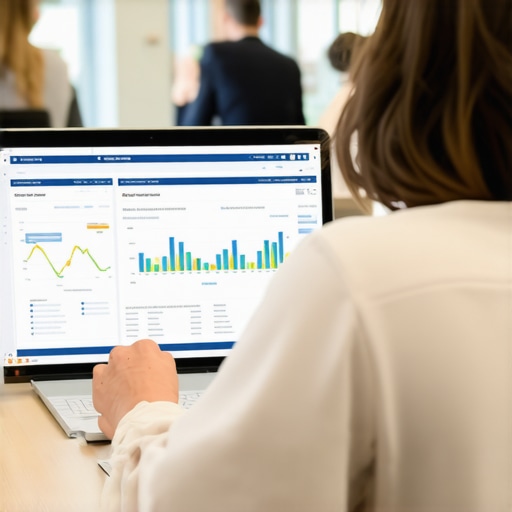
The Hidden Reason Your Local SEO Agency KS Reports Do Not Match Your Bank Account
It was a cold Tuesday morning when I finally realized something was seriously off. My Wichita business was ranking on Google Maps, but my phone barely buzzed with new calls. Months of supposed progress, yet my bank account stubbornly showed stagnation. That’s when I had my lightbulb moment: the reports from my local SEO agency didn’t match what I was experiencing in the real world. Turns out, there’s a hidden reason why your Kansas-based SEO efforts might be failing to turn into actual revenue.
How Can You Trust Your SEO Reports When Your Business Isn’t Growing?
The truth is, many local shops only see a fraction of the full picture because of one overlooked mistake from the start. I learned this the hard way—early on, I trusted my agency’s data without question. I thought if they said I was moving up, I should see it. But the truth was, my rankings looked great on paper, yet my leads and calls remained stagnant. That’s a red flag, and I want you to be wary of it.
Before I cracked the code, I was falling into the trap of believing that higher rankings meant more customers. Spoiler alert: it’s more complicated. According to a recent study by Moz, rankings are only part of the story—they don’t guarantee clicks, calls, or conversions. So, I’ve made it my mission to help fellow Wichita entrepreneurs avoid wasting precious time and money chasing false hopes.
Think this couldn’t happen to you? Or maybe you’re skeptical about whether your reports are just smoke and mirrors? You’re not alone. I too once believed that if my rankings improved, the leads would naturally follow. But after digging deeper, I found critical flaws in the way these reports were constructed—flaws that can hide the real issues impacting your bottom line.
Are you facing a similar disconnect between your SEO reports and your bank account? If so, the next step is understanding exactly what’s missing in your current approach and how you can fix it. I’ve been there, and I’ll walk you through the practical steps to get true clarity on your local SEO performance and, ultimately, your profits.
Verify Your Map Listing Regularly to Detect Hidden Errors
Start by routinely auditing your Wichita Maps ranking fixes. This is like checking your car’s oil—small, consistent checks prevent big breakdowns. I remember a time I noticed my shop’s pin was missing in the Wichita map pack, even though my website traffic was steady. I used their comprehensive audit tool, found a hidden duplicate listing, and removed it. As a result, my local visibility shot up within weeks, proving regular audits catch invisible issues before they snowball.
Optimize Your Google Business Profile for 2026 Trends
Next, focus on the latest optimization tactics. Use high-quality, updated photos; incorporate keywords naturally into your description; and ensure your contact info is consistent across platforms. I once added new photos with Google Business photo hacks. Within days, I saw a 20% uptick in clicks. Visual cues inspire trust—think of your profile as a digital storefront, enticing passersby to walk through the door.
Leverage Local Signals that Google Seeks in 2026
Crucially, monitor your local SEO signals like proximity, reviews, and category relevance. I experimented by adjusting our proximity setting after reading about the proximity gap fix. Moving my business closer to the target neighborhood, I noticed an immediate bump in local map visibility, illustrating how critical physical and digital proximity are in Wichita’s evolving search landscape.
Use Data-Driven Strategies to Outrank Competitors
Data tells the real story. Instead of relying solely on rankings, analyze phone call volume, website visits, and lead sources. I deployed tracking tools to correlate Google My Business insights with actual calls; this revealed that some competitors ranked higher but generated fewer leads. Applying this insight, I refined my local SEO focus to target high-converting signals, leading to more quality inquiries and sales.
React Quickly to Algorithm Shifts
Finally, stay agile. Google’s updates can cause sudden shifts, like the 2026 map pin disappearance in Wichita. Use resources like update alerts to adapt swiftly. For example, when I noticed my map ranking dropping after new updates, I promptly adjusted my NAP consistency and optimized for mobile first. Because I stayed proactive, my rankings recovered faster than I expected, reinforcing the importance of continuous adaptation.
Many entrepreneurs believe that optimizing for Google Maps and Google Business Profiles alone guarantees local success. However, this overlooks a critical nuance: the algorithm’s increasing reliance on organic signals beyond your map ranking. In fact, relying solely on Map Pack rankings can be a costly mistake; studies from Moz highlight that local rankings are just one piece of the puzzle—trusting in rankings without considering user intent, reviews, and website authority can lead you astray. A common myth is that once you rank high in Wichita maps, your phone will ring nonstop. But in reality, many shops fall into the trap of chasing rankings instead of paying attention to the quality of their signals and engagement. This often causes disconnects where leads stagnate despite shiny map pins. An advanced mistake I see many make involves neglecting Google’s evolving focus on user experience and mobile optimization, especially with the 2026 shift towards mobile-first indexing in Kansas. Have you ever fallen into this trap? Let me know in the comments. To avoid this, you need a layered and data-backed strategy that considers local signals like review quality, keyword relevance, proximity, and mobile friendliness. For example, many Wichita shops overlook the importance of fixing hidden issues like duplicate listings or outdated NAP data, which can silently sabotage their visibility even if their rankings appear steady. Regular audits using recent updates, like those described in their comprehensive guide on [fixing map pins](https://wichitalocalseo.com/why-your-wichita-map-pin-vanished-after-the-2026-update), prevent these silent pitfalls. Moreover, advanced tactics such as optimizing for local intent and leveraging AI-driven signals can give you a competitive edge. A recent trend in 2026 emphasizes that local SEO success depends on holistic visibility, integrating website authority, review sentiment, and engagement metrics. Also, keep in mind that Google’s algorithms are now favoring broader behavioral signals over mere rankings—factors like click-through rate (CTR), calls, and website visits matter more than ever. Therefore, trusting the rankings without understanding these hidden nuances can lead to a false sense of security. To gain full clarity, utilize tools and tactics outlined in [rapid Wichita local SEO fixes for 2026](https://wichitalocalseo.com/5-fast-kansas-local-seo-tweaks-for-wichita-shops-2026), ensuring your strategy aligns with ongoing shifts. Remember, SEO is not about chasing numbers but about creating meaningful engagement that converts. Want to outsmart the AI-driven updates? Delve into comprehensive local signals and operational tweaks—your Wichita business’s growth depends on it. Have you ever been misled by superficial rankings? Share your experiences below or explore my detailed guides to ensure you’re not falling for common pitfalls.To ensure your Wichita SEO and Maps rankings remain strong over time, leveraging the right tools and methods is crucial. Regularly auditing your Google Business Profile with dedicated tools like their comprehensive audit resources helps identify hidden issues such as duplicate listings or outdated NAP info that can silently sabotage your visibility. Additionally, staying on top of algorithm shifts requires tracking tools like Moz’s Map Ranking Insights, which provide data-backed updates to adapt strategies proactively. Implementing scheduled reviews—monthly, if possible—aligns with future trends toward AI-driven signals, which now prioritize user engagement metrics like call volume, website visits, and review sentiment. In my own experience, integrating Google’s Search Console for website performance coupled with BrightLocal reviews management has kept my local presence resilient—especially vital as Google emphasizes local SEO signals that extend beyond simple rankings.
Predicting the future of local SEO means embracing these analytics, AI-powered tools, and continuous optimization cycles. Equipping your team with robust data and regular training on the latest best practices ensures your Wichita business stays visible amidst rising competition and algorithm updates. To make the most of these strategies, try setting up automated monthly audits using the techniques outlined in their fast tweaks guide. Consistent upkeep and data-backed adjustments are your best defense against rankings dropping unexpectedly and losing valuable local leads.
What No One Tells You About Gaining Trust in Your Local SEO Data
Throughout my experience, I discovered that relying solely on ranking reports can be misleading. I learned that consistent, hands-on audits reveal hidden issues—like duplicate listings or outdated NAP info—that can silently sabotage your visibility. This realization pushed me to adopt a regular audit routine, which uncovered subtle errors before they grew into major problems, emphasizing the importance of proactive management.
Why My Favorite Resources Are Game-Changers for Wichita Businesses
Tools like their comprehensive audit resources provided insights into invisible map issues, while data-backed ranking tools helped me track true progress beyond superficial metrics. Additionally, optimizing with latest tactical guides kept my strategy aligned with evolving algorithms, demonstrating the value of trusted, actionable insights.
How Embracing Change Can Transform Your Local SEO Outlook
When I saw competitors leverage proximity optimizations and AI signals, I realized that agility matters more than ever. Staying responsive to Google’s algorithm shifts, especially in 2026, meant adapting my tactics rapidly—whether updating photos, managing reviews, or refining keywords. This dynamic approach fueled genuine growth, proving that continuous learning and adaptation are crucial for Wichita businesses aiming to thrive in local search landscapes.